
For homeowners who enjoy DIY projects, crafts, or woodworking, building a workshop at home could be a game-changer. A dedicated workspace enables you to organize your tools, tackle projects efficiently, and maintain a safe environment that fosters creativity. Whether your interests are woodworking, automotive repair, or general home improvement, creating a workshop tailored to your needs will enhance productivity and make every project more enjoyable. Understanding the essential steps and considerations before building a workshop ensures a space that is functional, safe, and inspiring.
Why Building a Workshop at Home Is Worth It
A home workshop is more than just a place to store tools. It provides a controlled environment where projects can be completed without interference, reduces clutter in other areas of the home, and even increases property value if designed well. Having a dedicated space also encourages you to take on new projects because everything you need is organized and accessible. From a safety perspective, workshops help contain hazards like dust, sharp tools, and chemicals, reducing the risk to family members and pets. Additionally, building a workshop tailored to your hobbies allows for customization, so every inch of the space supports your workflow and personal style.
Choosing the Right Location for Your Workshop
The first step in building a workshop is selecting an appropriate location. Garages, basements, sheds, or spare rooms could all serve as potential spaces, depending on the type and scale of work you plan to do. Consider factors such as ventilation, natural lighting, and accessibility when choosing the spot. If you plan to work with machinery or materials that generate dust or fumes, proper ventilation is crucial. A location near power outlets or with easy access to electrical wiring will also make it easier to run tools safely. Accessibility for bringing in materials and moving finished projects out of the workshop should also be factored into your decision.
Planning the Layout and Workflow
An efficient layout is critical when building a workshop. Start by listing the activities you plan to perform and the tools you will need. Organize the space to facilitate a logical workflow, ensuring that frequently used tools are within easy reach and that work surfaces are sufficient for your projects. Consider creating separate zones for different tasks, such as a woodworking area, a painting station, and a storage section for tools and materials. Proper spacing between workstations enhances safety while creating a more comfortable and productive environment.
Essential Tools and Storage Solutions
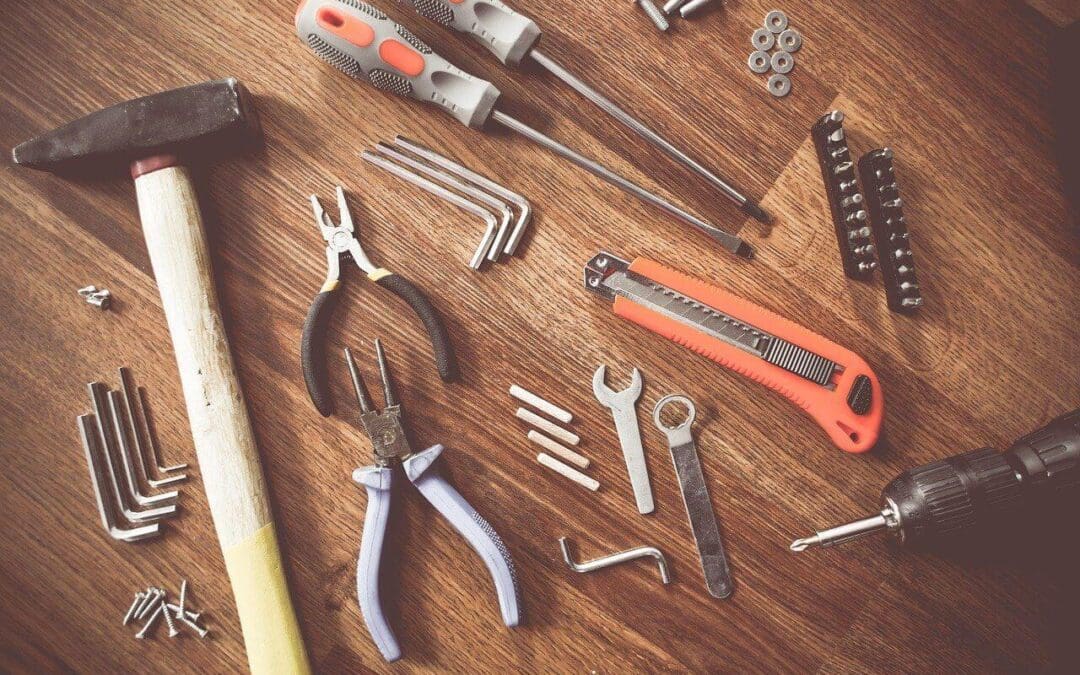
Building a workshop means equipping it with the right tools and storage solutions. Depending on your projects, the tools you may use include workbenches, power tools, hand tools, and safety equipment. Investing in high-quality tools guarantees longevity and reliable performance. Storage is just as important as the tools themselves. Shelving, pegboards, cabinets, and tool chests help keep the workshop organized and reduce clutter. Clear labeling and proper placement of frequently used tools save time and prevent frustration during projects.
Safety Considerations When Building a Workshop
Safety should be a top priority when creating a home workshop. Proper lighting, non-slip flooring, and fire-resistant materials contribute to a safer environment. Ensure that electrical circuits are adequate for all tools and that extension cords are used safely. Personal protective equipment, such as gloves, goggles, and ear protection, should always be available and used consistently. Dust collection systems or ventilation hoods are crucial when working with materials that produce fine dust or fumes. Regular maintenance and inspection of tools and equipment also help prevent accidents and ensure smooth operation.
Adding Comfort and Personal Touches
While functionality is key, comfort and personal touches make a workshop more inviting. Adequate lighting, climate control, and comfortable flooring contribute to a pleasant work environment. Personalizing the space with décor, wall colors, or inspirational displays will make the workshop feel uniquely yours and encourage creativity. Seating options and break areas can also enhance long-term productivity, particularly for projects that require sustained focus. A well-designed workshop strikes a balance between practicality and comfort, creating a space where you want to spend time.
Frequently Asked Questions (FAQs)
How much space do I need for a home workshop?
The size depends on your projects and the tools you use. Even a small corner could serve as a functional workshop if organized efficiently, while larger projects may require a garage or dedicated outbuilding.
What are the most important tools for a beginner workshop?
Essential tools vary by project type, but a sturdy workbench, basic hand tools, a drill, and safety equipment are a solid starting point.
Do I need special permits to build a workshop?
Requirements vary by location. Check local building codes and zoning regulations, especially if constructing a new outbuilding or making significant electrical changes.
How can I make my workshop safe for family members?
Proper ventilation, secure storage for sharp tools and chemicals, adequate lighting, and personal protective equipment help maintain safety. Clear organization also reduces accidents.
Can building a workshop increase property value?
Yes, a well-designed and functional workshop will add value, particularly if it is versatile and appealing to buyers who enjoy DIY or hobby projects.
Oasis Home Inspections provides inspection services in Brevard County, Florida, including marine structure inspections. If you’re buying or selling a home, contact us to request an appointment.