
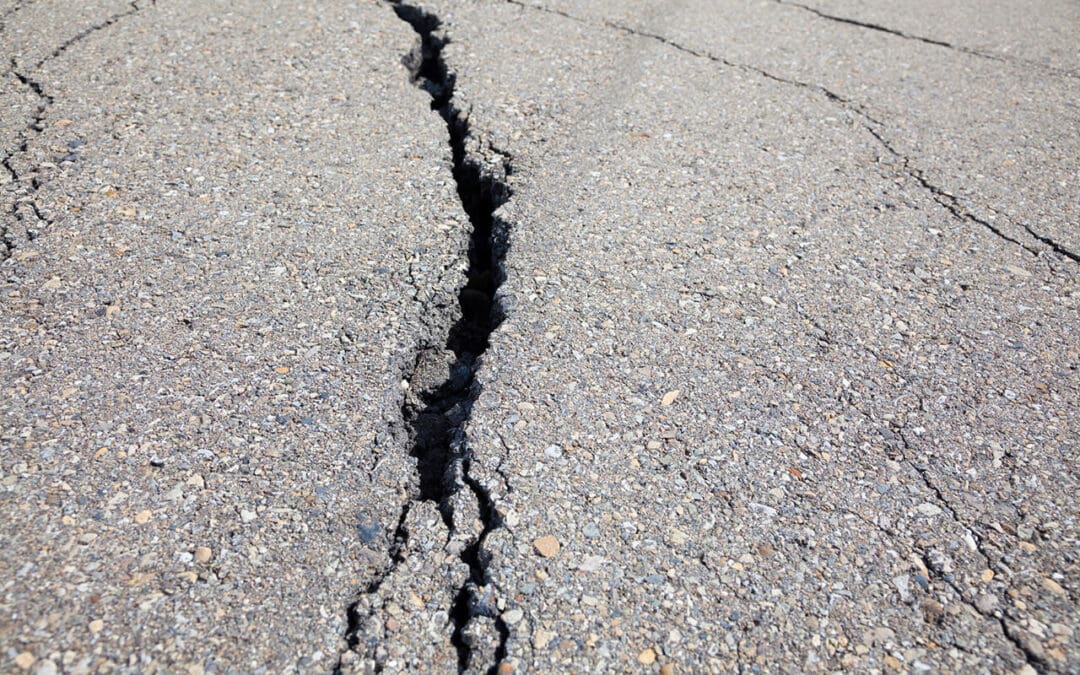
A driveway that looks fine in January may show meaningful deterioration by summer when the rainy season has saturated the base, the afternoon sun has accelerated surface oxidation, and the inevitable drainage issues have undermined edges and joints. Understanding how to fix driveway problems specific to the coastal Florida environment, and when those problems warrant professional intervention rather than a DIY approach, prevents minor surface conditions from becoming full-depth failures.
How to Fix Driveway Problems in Florida’s Climate
Asphalt driveways in Florida age more aggressively than in northern climates because UV oxidation works year-round rather than seasonally. Oxidized asphalt loses its binding oils, turns gray and brittle, and develops cracks that allow heavy Florida rainfall to infiltrate the base, replacing the freeze-thaw damage of northern climates with a more relevant threat: base saturation during the rainy season. Filling cracks first and then applying a quality asphalt sealer restores the binding oils the sun has depleted, slows future oxidation, and waterproofs the surface against daily afternoon thunderstorms. Sealing should be done in the early morning before surface temperatures climb, as Florida asphalt reaches temperatures that prevent proper penetration in direct afternoon sun. A properly sealed driveway in Florida should be resealed every two to three years given the region’s UV intensity.
How to Fix Concrete Driveway Problems
Concrete driveways in coastal areas face challenges that inland driveways don’t encounter at the same severity. Salt air accelerates corrosion of the reinforcing steel embedded in concrete slabs, a process called spalling, where expanding corroded rebar pushes the surface off in flakes and exposes the steel beneath. Addressing spalling early, removing deteriorated concrete, treating exposed rebar with a rust inhibitor, and applying a patching compound, prevents what is initially a surface condition from becoming structural. Joint and crack filling is the maintenance most directly relevant to Florida’s drainage environment. Cleaning joints, removing vegetation that has established in the gaps, and filling with a flexible polyurethane sealant rated for exterior use prevents weed intrusion and water infiltration that damages joint edges over time.
The Challenge Most Coastal Homeowners Face
Root intrusion is the condition most specific to Florida. Subtropical vegetation grows aggressively, and root systems from palms, live oaks, and ficus species extend under driveways within a few years of planting, lifting slabs, cracking asphalt, and undermining the compacted base. Addressing root intrusion without removing the tree requires cutting the offending roots at the driveway edge, installing a root barrier to deflect future growth, and repairing the surface damage. Drainage is the factor that most determines whether other repairs last, a driveway that pools water after rain has a base that is repeatedly saturated and softened. Ensuring adequate cross slope, clearing edge drainage, and redirecting downspouts or irrigation that deposit water onto the surface are the drainage corrections that make every other repair more durable.
Frequently Asked Questions (FAQs)
Why do driveways in Florida deteriorate faster than in other climates?
Year-round UV exposure oxidizes asphalt continuously rather than seasonally, the rainy season saturates bases that freeze-thaw climates dry out annually, salt air corrodes concrete reinforcement in coastal locations, and subtropical vegetation establishes root systems under driveways faster than temperate species.
How often should I seal my asphalt driveway in Florida?
Every two to three years. Early morning application before surface temperatures climb is critical for proper penetration and adhesion. Driveways near the coast with salt air exposure benefit from the shorter end of that interval.
Can I fix driveway problems from root intrusion without removing the tree?
In most cases, yes. Cutting the offending roots at the driveway edge, installing a physical root barrier to redirect future growth, and repairing the lifted or cracked surface addresses the condition without removing the tree. Root barriers are most effective when installed at the same time as the surface repair rather than retrofitted afterward.
What is the best way to fix driveway problems from standing water?
Identify where the water comes from and where it needs to go. Adjusting cross slope, clearing blocked edge drains or swales, redirecting downspouts that discharge onto the driveway, and addressing irrigation that contributes to surface saturation are the drainage corrections that address the cause. A channel drain at the base of a sloped driveway collecting upslope runoff is the solution most appropriate for driveways that pool water from above.
When should I replace rather than fix?
Replacement makes more financial sense when the base has been compromised, indicated by widespread cracking across the driveway field rather than isolated cracks, significant rutting, large areas of spalling, or multiple root intrusion events that have undermined the slab across a significant portion of the surface. A repair on a failed base produces a new surface on an unstable foundation that will fail again quickly. A professional base condition assessment before committing to repair or replacement prevents investing repair costs in a surface replacement that would have served better.
Oasis Home Inspections provides inspection services in Brevard County, Florida, including marine structure inspections. If you’re buying or selling a home, contact us to request an appointment.