
Drafty windows are one of those problems that sneak up gradually. The good news is that most drafty windows don’t require replacement to fix. Understanding why windows draft and which solutions match the problem puts most homeowners within reach of a meaningful fix.
Why Drafty Windows Happen and What to Do About Them
Windows draft for a handful of specific reasons, and identifying the right one before reaching for a solution is what separates a fix that lasts from one that makes little difference. Air infiltration typically comes from one of three sources: deteriorated weatherstripping along the sash, failed or missing caulk around the frame, or worn sash hardware in older windows that no longer holds the sash tightly closed. Before spending anything, do a simple diagnostic. On a cold, windy day, hold your hand near the edges of the closed window and move slowly around the frame. A lit incense stick makes air movement visible; the smoke will deflect wherever infiltration is occurring. Identifying the exact location determines which solution will actually work.
Weatherstripping: The Most Common Fix for Drafty Windows
Weatherstripping is the compressible material that seals the gap between the moving sash and the window frame. Over time it compresses, hardens, or pulls away, and when it does, it stops sealing. This is the most common cause of drafty windows and one of the easiest to address. Replacing weatherstripping requires removing the old material, cleaning the channel, and pressing the new strip into place. V-strip tension seal works well in double-hung windows; foam tape is a quick option for less-trafficked windows; compression strips work for casements. For windows that rattle or feel loose, adjusting the sash locks is often all that’s needed to restore the seal.
Caulking: Sealing the Fixed Parts of Drafty Windows
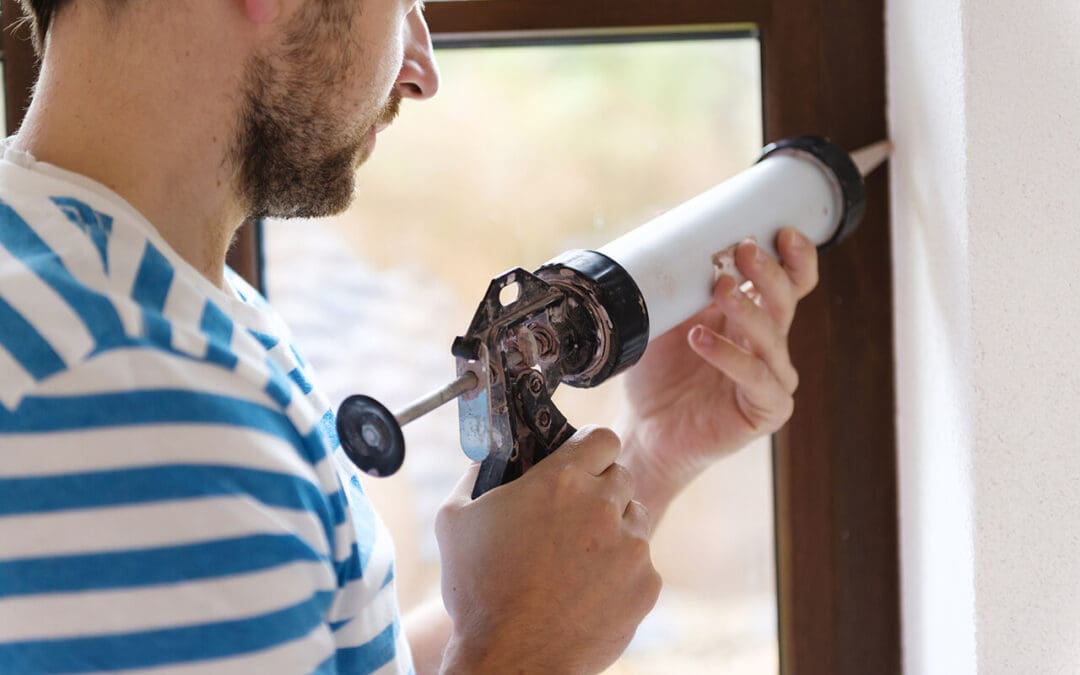
While weatherstripping addresses movable parts, caulk addresses fixed parts, such as the gap between the window frame and the surrounding wall. This seal deteriorates from moisture, UV, and seasonal movement. When it fails, it creates infiltration that weatherstripping can’t solve. Inspect the caulk on the interior around the trim and on the exterior between the frame and siding. Cracked, pulling, or missing caulk is allowing air through. Remove old caulk thoroughly, clean the surface, apply a fresh bead of silicone-acrylic caulk, and tool it smooth. The exterior joint between the frame and siding is the most frequently missed spot and one of the most common sources of air infiltration around drafty windows.
When Windows Warrant a Full Replacement
Sometimes weatherstripping and caulking aren’t enough; recognizing when replacement is the right call saves money and frustration in the long run. If the glass is fogged or hazy between the panes, the insulated seal has failed, and no amount of sealing the frame will restore the window’s thermal performance. If the frame itself is rotted, warped, or pulling away from the rough opening, repair is a short-term solution at best. Single-pane windows in older homes are another strong case for replacement. No weatherstripping repairs a single pane’s inherent inefficiency. Modern double or triple-pane windows with low-e coatings reduce energy transfer dramatically and eliminate the uncomfortable feeling that single-pane windows create, regardless of how well they’re sealed.
Frequently Asked Questions (FAQs)
How do I know if my drafty windows need to be repaired or replaced?
Most drafty windows can be repaired; the draft is usually a sealing problem, not a structural one. Windows warrant replacement when the glass is fogged between panes, indicating a failed seal, when the frame is visibly rotted or warped, or when a window has been repaired multiple times and continues to draft. If the frame is sound and the glass is clear, weatherstripping and caulk will solve most draft problems for a fraction of the replacement cost.
What is the most effective DIY fix for drafty windows?
Replacing deteriorated weatherstripping is the highest-impact DIY fix; it directly addresses the most common cause of sash infiltration and produces an immediate, noticeable improvement. Paired with fresh caulk around the frame, these two steps together address the vast majority of window draft problems without professional help.
Do drafty windows significantly affect energy bills?
Yes, the Department of Energy estimates that drafts from windows and doors account for 25 to 30 percent of residential heating and cooling energy use in many homes. Drafty windows create a constant air exchange that forces the heating or cooling system to run longer. Sealing them consistently produces measurable reductions in energy bills, with payback on weatherstripping and caulking materials typically occurring within a single heating season.
At what point should I call a professional?
If weatherstripping and caulking have been properly addressed and significant drafts persist, a professional energy audit using blower door testing and infrared imaging can identify exactly where infiltration is occurring. Sometimes the source is in the wall framing around the window rather than the window itself. A window contractor should be consulted when the frame shows structural deterioration, hardware has failed, or the window’s thermal performance warrants the investment in replacement.
Oasis Home Inspections provides inspection services in Brevard County, Florida, including marine structure inspections. If you’re buying or selling a home, contact us to request an appointment.