
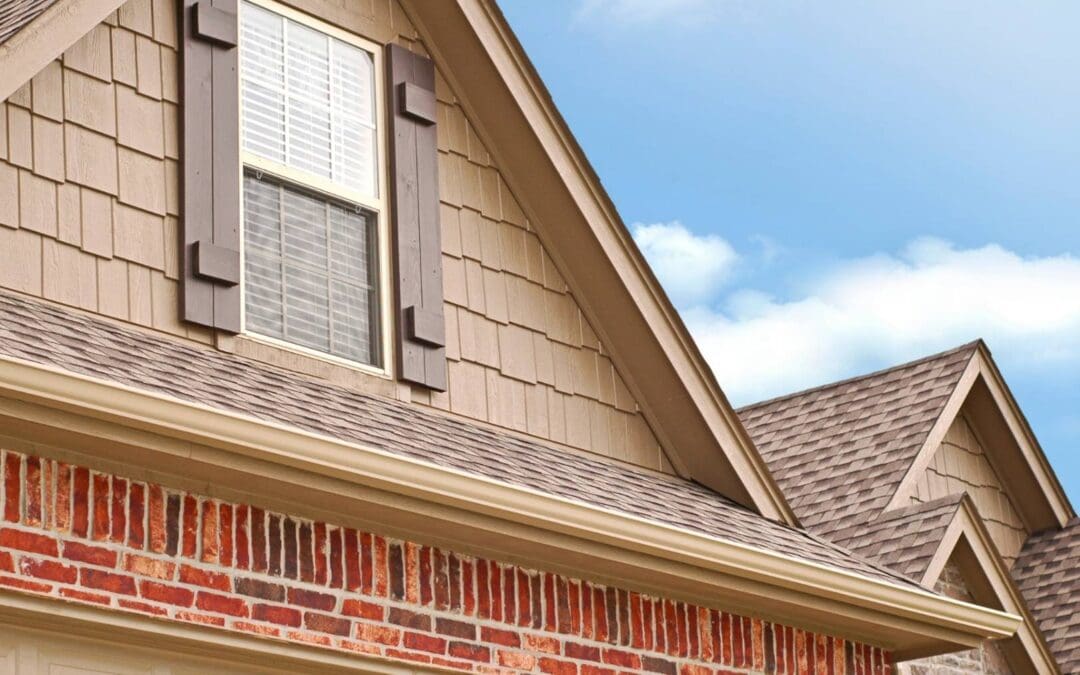
A home inspection often feels like just another box to check during a purchase or maintenance process, but it can be one of the most cost-effective decisions a buyer or homeowner makes. What looks fine on the surface can hide expensive issues underneath, and discovering those problems early can prevent major financial surprises. Whether purchasing a primary residence, a vacation property, or planning long-term ownership, a home inspection is less about paperwork and more about protecting your wallet.
Why a Home Inspection Is a Financial Safety Net
At its core, an inspection is about information. Knowing the true condition of a property allows smarter decisions before money changes hands or repairs spiral out of control. Many costly repairs do not start as emergencies. They begin as small issues that quietly worsen over time.
Catching those problems early often means repairs are smaller, cheaper, and easier to plan for. Instead of reacting to a sudden system failure, homeowners can address concerns on their own timeline and budget.
How an Inspection Prevents Surprise Repairs
Unexpected repairs are one of the biggest financial stressors of homeownership. A thorough inspection looks at major systems such as roofing, plumbing, electrical, HVAC, and structural components. These systems are expensive to repair or replace, and failures rarely happen without warning signs.
When issues are identified early, buyers can negotiate repairs, request credits, or adjust the purchase price accordingly. For existing homeowners, inspections help prioritize maintenance before small defects turn into major damage.
Negotiation Power
One of the most immediate ways a home inspection saves money is through negotiation. Inspection findings often provide leverage during real estate transactions. If repairs are needed, buyers may ask sellers to fix issues or provide financial concessions.
Even when sellers are unwilling to make repairs, having clear documentation allows buyers to make informed decisions. Sometimes walking away from a problematic property is the biggest savings of all.
A Home Inspection and Long-Term Maintenance Planning
A home inspection is not only useful during a purchase. Many homeowners schedule inspections to better understand aging systems and plan future upgrades. Knowing when a roof, water heater, or HVAC system may reach the end of its lifespan helps spread costs over time.
Planned maintenance is almost always less expensive than emergency repairs. Inspections provide a roadmap that allows homeowners to budget wisely and avoid financial strain.
Energy Efficiency and Hidden Savings
Energy loss is a quiet drain on household finances. Poor insulation, air leaks, outdated equipment, or improperly installed systems can inflate utility bills month after month. An inspection often identifies these inefficiencies. Addressing energy-related issues improves comfort while reducing ongoing costs. Over time, the savings from lower utility bills can exceed the cost of the inspection itself.
Insurance and Liability Benefits of a Home Inspection
Some defects can affect insurance coverage or lead to liability issues if left unaddressed. Electrical hazards, roof damage, or water intrusion may increase risk exposure. An inspection helps identify safety concerns before they become claims. By resolving known issues, homeowners reduce the likelihood of denied claims or premium increases. Prevention is not only safer, but often cheaper than dealing with consequences later.
Why Skipping a Home Inspection Often Costs More
Skipping a home inspection may seem like a way to save money upfront, but it frequently leads to higher expenses later. Cosmetic upgrades can hide underlying defects, and new paint does not fix aging systems. Many homeowners who skip inspections discover problems only after they become urgent. Emergency repairs rarely come with competitive pricing or flexible timelines, which increases overall cost.
FAQs About How a Home Inspection Saves You Money
- Is a home inspection worth the cost?
Yes. The cost of a home inspection is usually small compared to the potential savings from avoiding major repairs or renegotiating a purchase price. - Can a home inspection really uncover expensive problems?
Absolutely. Inspections commonly reveal issues with roofs, foundations, plumbing, and electrical systems that can cost thousands if left undiscovered. - Does a home inspection help after buying a home?
Yes. Inspections help homeowners plan maintenance, improve efficiency, and prevent future emergencies. - Will a home inspection reduce insurance costs?
While it may not directly lower premiums, addressing inspection findings can reduce claim risks and help avoid denied coverage. - How often should an inspection be done?
Many homeowners benefit from inspections every few years or before major renovations to stay ahead of potential issues.
Oasis Home Inspections provides inspection services in Brevard County, Florida, including marine structure inspections. If you’re buying or selling a home, contact us to request an appointment.
Recent Comments