
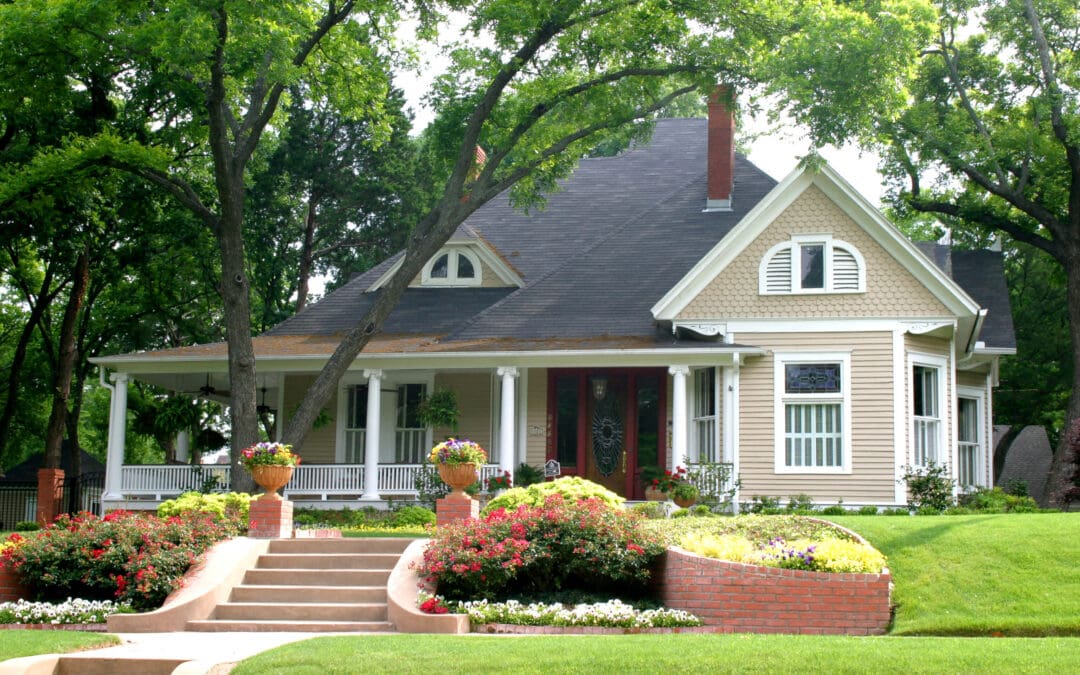
Landscaping tips can make a significant difference in how a home looks and feels without requiring a major investment of time or money. For homeowners, improving outdoor spaces is about finding the right balance between beauty, functionality, and ease of maintenance. Whether you’re starting from scratch or simply refreshing what’s already there, even small, intentional changes will enhance curb appeal, increase property value, and create a more enjoyable environment for everyday living.
Landscaping Tips That Start With a Solid Plan
Before making any changes, take time to assess the current condition of your yard. Understanding your soil quality, sunlight exposure, and drainage patterns helps guide smarter decisions and prevents you from investing in plants or features that won’t thrive in your specific environment. Starting small is almost always the best approach, simple updates like trimming overgrown plants, pulling weeds, and adding fresh mulch to existing beds instantly improves the appearance of a yard with minimal effort and cost. These foundational landscaping tips set the stage for more detailed enhancements over time.
Easy Landscaping Tips for Better Curb Appeal
Curb appeal is one of the most impactful aspects of any home’s exterior, and the front yard is where first impressions are made. Keeping lawns neatly trimmed, edging along pathways and driveways, planting colorful seasonal flowers, and maintaining clean walkways all make a noticeable difference without requiring a significant budget. Adding features like border plants, decorative stones, or a simple garden bed along the front of the house creates visual interest and gives the exterior a polished, finished look. These are among the highest-return improvements a homeowner can make.
Choose the Right Plants for Your Climate and Lifestyle
Selecting plants that are well-suited to your local climate is one of the most important landscaping tips for long-term success. Native plants are often the smartest choice; they’ve adapted to local conditions, require less watering and fertilizing, and tend to be naturally resistant to local pests and disease. Grouping plants with similar water and sunlight needs together simplifies care and promotes healthier growth. A thoughtful combination of evergreen shrubs, perennial flowers, and seasonal color ensures your landscape looks attractive throughout the year with minimal intervention.
Landscaping Tips for a Low-Maintenance Yard
For homeowners with busy schedules, low-maintenance landscaping is essential. Using materials like gravel, mulch, or decorative stone in place of high-maintenance grass in certain areas reduces mowing, watering, and weeding considerably. Incorporating drought-resistant plants and a drip irrigation system delivers water directly where it’s needed most, reducing waste and the time spent hand-watering. A few smart choices upfront make it entirely possible to have a yard that looks consistently great without demanding constant attention.
Create Functional Outdoor Spaces
Great landscaping is about more than appearance; it’s about making your outdoor space genuinely usable and enjoyable. Designing distinct areas for relaxation, dining, or gardening adds real value and functionality to the yard, turning it from something you look at into something you actually live in. Patios, stone walkways, and defined seating areas create flow and structure throughout the yard. Even simple additions like a gravel fire pit area or a shaded seating nook under a pergola can transform how often and how comfortably you use your outdoor space.
Watering, Maintenance, and Landscaping Tips for Long-Term Success
Proper watering is fundamental to keeping plants healthy. Most plants benefit from deep, infrequent watering rather than shallow daily watering. This encourages roots to grow deeper and become more drought-tolerant over time. Regular maintenance tasks like pruning, weeding, and deadheading spent flowers keep the landscape looking its best and prevent small problems from becoming large ones. Establishing a simple seasonal routine ensures upkeep stays manageable and the yard always looks intentional.
Outdoor lighting is one of the most underutilized landscaping improvements available. Pathway lights, accent lighting around garden beds, and string lights in a seating area create warmth and ambiance that extends outdoor enjoyment well into the evening. Decorative elements like planters, garden art, or a small water feature add personality and a finishing touch that brings the entire design together.
Frequently Asked Questions (FAQs)
What are the most effective landscaping tips for beginners?
Start with the basics, trim overgrown plants, add fresh mulch, edge along pathways, and keep the lawn well-maintained.
How can I make my yard low-maintenance without sacrificing appearance?
Focus on drought-resistant and native plants, replace high-maintenance grass in certain areas with gravel or mulch, and invest in a drip irrigation system to simplify watering.
What plants are best for homeowners new to landscaping?
Native plants and hardy perennials are ideal starting points. They require less water, fertilizer, and attention than many exotic varieties, and they return year after year without replanting.
How often should I water my landscaping?
Deep and infrequent watering is healthier for most plants than shallow daily watering. Established native and drought-resistant plants often need very little supplemental watering once they’re settled in.
Does landscaping really increase home value?
Yes. Strong curb appeal driven by well-maintained landscaping can meaningfully increase a home’s perceived and actual value.
Oasis Home Inspections provides inspection services in Brevard County, Florida, including marine structure inspections. If you’re buying or selling a home, contact us to request an appointment.